
This year and the next, certain HOA and property management tech trends might redefine how associations are run. As technology continues to evolve, management practices are growing along with it. Not only does technology help cut costs and save time, but it can also boost resident satisfaction.
What are the Property Management Tech Trends in 2025?
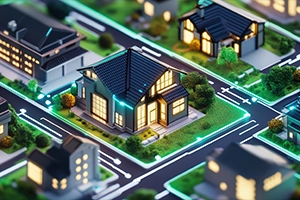
Technology has taken a front seat in the world of HOA management. Gone are the days of file cabinets, mountains of paperwork, and old-school practices. Today, managers and boards rely on modern tools for increased efficiency and productivity.
Over the years, trends have popped up when it comes to HOA management. For 2025, the focus is on tools that automate daily tasks, enhance data access, and facilitate better decision-making.
What are the proptech trends in 2025? Leading the charge are AI-powered innovations, IoT and smart buildings, data analytics and insights, blockchain, and cloud-first platforms.
Let’s break these down below.
1. AI-Powered Innovations for Smarter Management
One of the foremost HOA management technology trends is the use of AI. Artificial intelligence is playing a larger role in association and property management.
AI tools can help analyze market data, set competitive rates, and create predictive maintenance models. With all of this, associations can take a more analytical look at operations, minimize emergency repairs, and lower long-term costs.
AI also improves communication. Virtual assistants and chatbots can answer homeowner questions, schedule service requests, and send reminders to homeowners. With such automation, board members and managers can have more free time to focus on high-level tasks.
2. IoT, Smart Buildings, and Automation
The Internet of Things (IoT) is revolutionizing how communities manage their facilities. Smart HVAC systems are being utilized to help monitor energy usage and automatically adjust temperatures to minimize waste.
Additionally, intelligent lighting systems allow associations to track occupancy. It can also help cut costs by dimming or shutting off the lights in empty spaces.
Access control technology is also getting more advanced. Associations now use keyless entry systems to let residents enter common areas using mobile apps or keycards. This can reduce the occurrence of lost keys while also improving security.
Finally, automated workflows can assist managers with numerous tasks. These include tracking vendor schedules, handling maintenance requests, and updating records in real time. All combined, communities can reduce paperwork while still maintaining accurate records.
3. Data Analytics and Embedded Insights
One of the most widely discussed property tech data trends involves data analytics and insights. Advanced analytics are changing the way HOA boards and managers make decisions.
Many platforms and management tools now come with data dashboards. These dashboards consolidate data from multiple systems and bridge gaps between different departments, such as accounting and maintenance.
Additionally, these tools generate reports, uncover spending patterns, and even provide recommendations. These insights will enable associations to make more accurate forecasts, track payments, and effectively evaluate their performance.
4. Blockchain and Secure Record-Keeping

No property management tech trends list is complete without mentioning the blockchain. Blockchain is a secure way to manage association records.
Smart contracts can automate recurring transactions, including vendor payments and dues collection. These contracts execute automatically once predetermined conditions are met. Overall, this can help reduce administrative errors and costs.
Furthermore, blockchain can strengthen transparency within the community. Associations can record every transaction in a tamper-proof ledger. This makes audits much easier and also improves trust among members.
Tokenization is another emerging trend this year. It’s still new, but if more associations adopt it, it could enable fractional ownership models or introduce new financing options for community projects.
5. Cloud-First Platforms and Mobile Solutions
Cloud-first platforms are one of the property management tech trends that have carried over to 2025. Many management systems now operate on the cloud, making it a standard in the industry. These centralized platforms consolidate tasks such as accounting, communication, and recordkeeping into one accessible hub.
With cloud-based systems, board members and managers can log in from anywhere. This convenience enables board members to manage their responsibilities without needing to be physically present in the neighborhood. In turn, residents can expect fewer delays.
Combining cloud-first systems with mobile applications makes things even easier. Several mobile apps are specifically designed for HOAs, allowing residents to pay dues, submit requests, and view updates directly from their smartphones. For boards, mobile dashboards also simplify reviews, approvals, and communication.
Best Practices for Adopting Property Management Tech Trends

Association boards might be tempted to implement all of these technologies at once, but that can create a steep learning curve. Residents will need to make significant adjustments and adapt to using these tools simultaneously.
Boards should use a strategic approach, especially given the multitude of options available. It’s best to approach this change in phases.
Instead of adopting all these tools simultaneously, the board should start with one or two at a time. From there, the board can gradually expand and introduce newer tools. Schedule training sessions for both new board members and existing homeowners. This will help ease the transition.
Simply adopting these trends isn’t enough. Boards should also prioritize cybersecurity and data privacy. Choose platforms with stringent encryption standards. It’s also a good idea to work with vendors that meet these same standards to ensure compatibility and compliance.
Of course, the association’s governing documents should also reflect these changes. The use of new technologies can expose the HOA to legal issues. Board members should update the association’s policies to incorporate guidelines on the use of digital tools for communication, payments, record-keeping, and other purposes.
The Future of HOA and Property Management Tech Trends
New technologies are frequently entering the market, as innovation appears to be accelerating with each passing year. More and more associations will be joining the trends, adopting AI, IoT, predictive analytics, and blockchain.
These trends have staying power, meaning communities will likely continue to use them for the foreseeable future. Boards should invest in these tools early in the process. This way, they can be better equipped to operate efficiently and effectively.
That said, technology is not a replacement for good governance. The future of HOA management may have technology at its forefront, but humans still remain at its center. Board members must still make informed decisions, ensure compliance, and fulfill their duties.
The Final Word
Clearly, HOA and property management tech trends will continue to shape how associations operate. Boards should take a proactive approach and invest in these technologies in a phased manner. Through careful adoption and a focus on good governance, associations can reap lasting benefits.
An HOA management company can help navigate HOA and property management tech trends. Start looking for the best one in your area using HOA Explore!