
The popularity of water wise landscaping in HOAs has shot up in recent years, leading to disputes and confusion. While this form of landscaping saves water and money, some associations still prohibit it. The question is, is it legal to do so?
The Rise of Water Wise Landscaping in HOAs
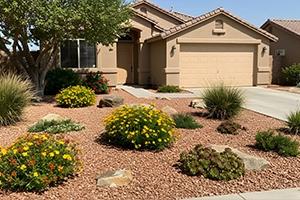
There has been a growing focus on water conservation and sustainability over the past decade. Gen Z and millennials, in particular, are demonstrating a strong commitment to sustainable practices, with high levels of concern for the environment.
This commitment can be observed in many markets, from manufacturing to fast fashion. Landscaping is no exception. Younger generations are favoring water-efficient irrigation and drought-resistant plants, which require minimal resources and maintenance.
In HOA communities, association rules sometimes make it impossible for residents to invest in xeriscaping. These rules may restrict the types of plants residents can grow and the appearance of their yards. Because of this, many run into problems and even get fined when they utilize water-wise landscaping in HOAs.
Can HOAs Ban Xeriscaping?
Whether an HOA can ban xeriscaping depends on two factors: state laws and the governing documents.
State Laws
Some states have passed laws that prohibit associations from banning or unreasonably restricting water wise landscaping in HOAs. The goal of these laws is to encourage residents to conserve water and use drought-resistant landscaping.
Colorado is a prime example. Senate Bill 23-178, which took effect in August 2023, prevents associations from prohibiting xeriscaping and using drought-tolerant or non-vegetative turf. That said, associations may still enforce rules that regulate the design or appearance of these landscaping items.
In California, Section 4735 of the Civil Code offers similar protections. Associations may not ban or effectively ban low-water plants, artificial turf, or synthetic grass. They also can’t have rules that prevent compliance with local or state water-saving laws or restrictions.
Another example is Texas. Section 202.007 of the Texas Property Code states that associations can’t adopt rules that prohibit or restrict efficient irrigation systems, drought-resistant landscaping, or water-conserving natural turf.
Governing Documents
In addition to state laws, association boards must also check their governing documents. Some HOAs have CC&Rs and bylaws that prohibit boards from banning or restricting drought-resistant landscaping.
If state laws and the governing documents are silent, that doesn’t automatically mean HOAs can prohibit such landscaping methods and items. Boards can’t simply pass a resolution enacting this rule when the CC&Rs don’t grant this authority. Homeowners will likely challenge such a rule anyway.
Instead, association boards should go through the proper channels and fulfill the requirements to amend their governing documents. Passing an amendment often requires a membership vote.
Why Consider HOA Xeriscaping?

Some associations may feel hesitant to allow xeriscaping in their communities. After all, it can be a big change, and boards may be worried about the impact on curb appeal and property values.
That said, here are the benefits of low-impact landscaping in an HOA.
1. Water Conservation
Xeriscaping uses drought-tolerant plants and efficient irrigation systems. This can reduce water usage significantly.
In areas facing water shortages or frequent droughts, this is a convenient solution. Many municipalities also promote xeriscaping to minimize the strain on local water supplies.
2. Lower Maintenance
Traditional lawns require regular mowing, fertilizing, and watering. Xeriscaped yards use native or hardy plants that thrive with minimal attention and resources.
This is particularly appealing to homeowners who want attractive landscapes without the constant upkeep. They would need to spend less time and money maintaining their lawns.
3. Cost Savings
Xeriscaping uses less water, fewer fertilizers, and less lawn equipment. As a result, it can lower costs in the long run for both homeowners and the HOA.
This is especially enticing for associations located in regions with high water rates. Residents can save money on their water bills, while HOAs can reap the same benefits for common area landscaping.
4. Eco-Friendly Appeal
Xeriscaping promotes and supports sustainability. It helps reduce chemical runoff, limits water waste, and provides habitats for local pollinators.
Many eco-conscious homeowners prefer xeriscaping over traditional lawns that demand more resources. Associations that wish to attract younger residents should invest in this sustainable practice.
5. Adaptation to Climate Change
Hotter summers and erratic rainfall make traditional lawns harder to maintain. Xeriscaping offers a more resilient landscape design that’s suited to dry or unpredictable conditions. As other communities struggle with heat and water shortages, water-wise HOAs can breathe easy.
6. Local Incentives
Some cities now encourage or even require water-wise landscaping. There are rebates and tax credits that owners or communities can claim. Add that to the overall cost savings, and HOAs are in for a financial treat.
7. Aesthetic Flexibility
There is a common misconception that xeriscaping isn’t visually appealing, but it’s more pleasing than most people think. Modern xeriscaping isn’t just gravel and cacti. It can also include decorative stones, native grasses, and colorful drought-resistant plants.
The possibilities for unique and attractive designs are endless. Associations can even regulate the appearance by requiring owners to seek approval for their xeriscaping plan before execution.
The Future of Water Wise Landscaping in HOAs

Colorado, California, and Texas are just a few of the states that have demonstrated a commitment to sustainability. With current trends, the noticeable impact of climate change, and a younger generation that’s more environmentally conscious, it’s likely that more states will follow suit.
To stay ahead of the curve, association boards should develop a plan early on. Invest in xeriscaping methods, update landscaping policies, and educate homeowners on the benefits and techniques of water-wise landscaping. Even without a statutory requirement, HOAs that make this change will soon experience the benefits.
A Helping Hand
There is no doubt that water wise landscaping in HOAs is on the rise. Navigating the laws that regulate xeriscaping and other similar practices can come as a challenge. Self-managed boards would be wise to hire professional help.
An HOA management company can help interpret state laws and update landscaping policies. Start looking for the best one in your area using HOA Explore!