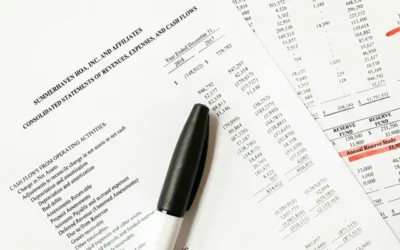
Believe it or not, HOA fraud is a real risk that many communities face. Fraud can take many forms, and it’s not always easy to spot when it’s already happening. Fortunately, there are red flags boards and homeowners can look for to signal fraudulent activity.
What are the Warning Signs of HOA Fraud?

Homeowners associations are governed by a set of volunteers known as the HOA board. Condo associations work similarly with a condo board. These boards are entrusted with managing the community, which often includes financial oversight. And, with that, comes the potential for fraud.
Board members and community managers deal with significant amounts of money every day. From collecting dues to disbursing cash, they’re all part of the operation. Temptations and offers will naturally arise, and most people won’t even realize there’s fraud until it’s too late.
Whether it’s homeowners association fraud or condo association fraud, here are the signs to look out for.
1. Financial Discrepancies
Boards are responsible for planning the budget and setting regular dues. But when budget items don’t add up or there are sudden increases in dues that the board can’t explain, fraud may be afoot. The same applies if boards refuse to comply with an owner’s request for financial records.
2. Lack of Transparency
Homeowners generally have a right to examine an association’s books and records. State laws often protect this right, such as in Virginia and Texas. Most CC&Rs and bylaws also provide owners with access to these documents.
When boards fail to provide these records upon request, owners should start asking questions. Financial documents, invoices, and meeting minutes, in particular, could reveal something amiss.
3. Conflict of Interest or Kickbacks
Boards have a fiduciary duty to act in the best interests of the association. This means selecting vendors through proper bidding and based on merit. When the board awards contracts to companies with which a director is affiliated, it’s a conflict of interest.
Fraud can also come in the form of kickbacks. Vendors might offer a board member an illicit payment in exchange for hiring them to provide association services.
4. Suspicious Payments
Boards and owners should keep an eye out for suspicious payments. Common examples include checks payable to cash, directors seeking personal reimbursement without providing receipts, and payments to nonexistent vendors. Expenditures, especially large ones, typically require board approval, so unauthorized transactions are a clear sign as well.
5. Lack or Delay of Meetings
Board members must hold regular meetings open to all homeowners. If meetings are constantly getting canceled or postponed, owners should investigate. Boards that make decisions outside of properly noticed meetings may also be up to no good.
6. Dubious Elections
Fraud doesn’t just mean illegal financial activity. It can also happen with board elections. Some board members might commit election fraud to stay in power, hide misconduct, or steal from the association. If someone notices questionable practices, such as rigging or ballot manipulation, they should report them immediately.
Common HOA Fraud Cases
Typical examples of HOA fraud include:
- HOA Embezzlement. This involves stealing directly from the association’s bank accounts.
- Vendor Fraud. Someone might set up a fake company or issue false invoices.
- Bid Rigging. This can happen when a board member manipulates the bidding process to award a project or service to a specific vendor.
- Personal Use of Assets. This is an HOA misuse of funds, which occurs when a board member pays personal expenses with association funds.
- Illegal Reserve Transfers. The reserve fund isn’t as closely monitored as the operating fund, making it easy for a board member to divert funds elsewhere.
- Forgery. This entails falsifying signatures to approve disbursements or decisions that are actually unauthorized.
How to Prevent HOA Fraud
While those with ill intent may always seek ways to commit fraud, boards are not left entirely helpless. Here are the strategies boards can implement to prevent HOA fraud.
1. Require Two Signatures
Large disbursements should always require the signatures of two authorized directors. This prevents others from accessing association money without internal controls. In some states, it is even required to have two signatories for reserve fund transfers.
2. Segregate Duties
The separation of duties is critical to preventing HOA fraud. While the treasurer is primarily responsible for the association’s finances, they shouldn’t have all the power. For instance, signatories should not reconcile bank accounts or receipts, as this will allow them to manipulate transactions.
All board members should actively participate in financial oversight. It’s also a good idea to rotate financial responsibilities. This way, no single person holds authority over a certain task for long periods of time.
3. Avoid Debit Cards
Debit cards may be convenient, but they can also make it easier to commit theft, especially if they’re linked to the association’s bank accounts. It’s best to use more traditional withdrawal processes to avoid quick access to funds.
4. Keep Separate Accounts
The association’s bank accounts should never co-mingle with an individual’s bank account. Board members also shouldn’t be able to use or borrow association money for personal purposes. Additionally, the operating fund and the reserve fund should be kept separate.
5. Reconcile Accounts Immediately
Financial reporting and reconciliation play a key role in preventing HOA fraud. These tasks help the board identify suspicious transactions promptly. When bank accounts don’t match the general ledger or balance sheet, further investigation is necessary.
6. Know Vendors and Contracts
Board members should know the names of all vendors and contractors. This way, they can monitor checks and disbursements more effectively. They can avoid approving invoices to non-existent vendors.
It also pays to understand the contract terms. If a specific vendor is paid only once a month, a second payment in the same month should raise red flags.
7. Conduct Audits
An audit is a comprehensive review of the association’s finances. It helps the board identify discrepancies in transactions and gaps in internal controls. As it’s conducted by a third-party Certified Public Accountant (CPA), the results are accurate and objective.
8. Insure Bank Accounts
As an added precaution, board members should make sure that all bank accounts are insured by the Federal Deposit Insurance Corporation (FDIC). Bank accounts should also carry only the association’s name. Personal names are excluded.
9. Update and Transfer Authorizations
Associations elect new board members every year. To avoid fraud, it is imperative to update signatories to include new board members and revoke access from outgoing board members. Don’t forget to update other authorizations, such as passwords, codes, and pins.
10. Secure Insurance
If fraud ever does occur, the association’s first line of defense is fidelity insurance. This policy protects the association against financial losses resulting from dishonest acts by board members, managers, and employees.
Suspect HOA Fraud? Here’s What to Do
Fraud prevention is not foolproof. When members suspect fraud or corruption in HOA communities, the following tips will help.
- Document Evidence. Members should gather all financial statements, meeting minutes, contracts, and other records that will support their claim.
- Review Governing Documents. Members must check the CC&Rs and bylaws to understand how to proceed. These documents should outline the process for lodging complaints or removing board members.
- Demand Transparency. Members can submit a formal request to conduct a financial audit. They can also request to examine specific records to confirm whether fraud has taken place.
- Change Leadership. Sometimes, replacing the problem board member is the answer. Make sure to remove the board member in accordance with proper procedures.
- Seek Legal Counsel. In some cases, owners may want to take legal action. Consulting an HOA attorney is essential.
- Report to Authorities. If there’s strong evidence of fraud, owners or fellow board members can report their findings to the police, state attorney general, or real estate board.
What Boards Should Do
Fraud can take many forms and cripple the association financially. Knowing how to identify and deal with HOA fraud is crucial, but prevention is an even better tool to have in the arsenal.
HOA Explore makes it easy for associations to find HOA management companies. Use our online directory today!
RELATED ARTICLES:
- HOA Breaches Own Rules? Steps To Take For The HOA Board
- Homeowners Rights Against HOA And How Boards Should Respond
- HOA Complaints Explained: How And Where To File Complaints (Per State)