
There’s a fine line between trespassing and having a proper visit to a resident’s property. For HOAs that need to enforce rules, this might be a tricky subject. Can the HOA enter your house, and when can they do so?
What is Trespassing in HOA Communities?
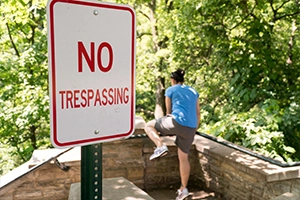
Trespassing is the act of entering another person’s property without permission. For HOA communities, this may apply to visitors who do not notify a homeowner.
In general, HOA boards or other members of the HOA community would only need to enter another person’s property in the following situations:
- Conducting repairs or maintenance work in common areas
- Inspections related to rule enforcement
- In cases of genuine emergencies.
As much as possible, it’s best practice for the HOA to provide a resident with sufficient prior notice of the reason for a visit. Usually, the process and requirements for such notices are outlined in the HOA’s governing documents.
Can an HOA Enter Your Property Without Permission?
This would depend on the situation. The HOA’s authority to do so is set forth in the governing documents, including the CC&Rs and bylaws. However, state laws may also limit that access, outlining the only instances in which this is acceptable.
When the governing documents and the law clash on the matter, do remember that the law overrules the governing documents. HOAs need to stay compliant with the law to avoid liabilities.
When Can HOA Enter Your House?
In cases of entering an HOA member’s property without prior notice, the law and governing documents likely only allow it during emergencies. Otherwise, resident permission must be given first before an HOA representative can enter.
Can the HOA Enter Your House in an Emergency?
Can the HOA enter your home without permission when there’s an emergency happening?
Yes, this is the only situation allowable by local laws and governing documents. HOA representatives can enter in an emergency situation in good faith. They do so to help residents as much as they can.
Some such emergencies include fires, devastating water leaks, gas leaks, and even medical emergencies.
These provisions are universally recognized by both HOAs and homeowners as necessary. They’re put in place to make sure everyone in the community is safe.
Can the HOA Enter Your House to Investigate Violations?
Many HOA boards would receive complaints against homeowners. As part of their investigation, they would need to go to the property to inspect the area.
In such cases, the governing documents usually allow them to enter a property for inspection. They need to do so, always in good faith, and if they have a good reason to believe that there is a violation at the home.
But can an HOA trespass on my property for an inspection of possible rule violations?
No. In this scenario, the HOA can only enter your home with your permission. To do so properly, the HOA needs to provide advance notice to the homeowner. Otherwise, the HOA could be held liable.
Can an HOA Enter Your House Without Permission for Maintenance?
Community associations may have entry rights if maintenance is needed in common areas. These are usually only applicable to condo communities. In a condo, a unit may have a common element that affects the entire building. For those common elements, the association is responsible for keeping them well-maintained and in good working order.
Given that scenario, the condo association and maintenance contractor may have to enter the unit for inspections and maintenance. However, this should all be done with the homeowner’s permission. The notice needs to be given in advance, usually one to two weeks before the visit. It should also state the reason and the common amenity the HOA needs to address.
In this case, an HOA representative may enter the unit to conduct an inspection. The association may even hire a contractor to perform the maintenance, which would require the contractor to enter the unit as well.
Can the HOA enter your backyard?
For communities where a property is a private home, HOAs can’t enter your backyard for maintenance without prior notice. Even for HOA-provided landscaping and repairs, permission from the homeowner is needed.
Requesting Entry Permissions

As previously mentioned, there are scenarios where the HOA would need to pay a resident a visit that requires entering the property. Apart from emergencies, all such visits require HOAs to provide homeowners with prior notice.
State laws and HOA governing documents usually provide guidelines for these notices. They usually outline how far in advance you should send it and what details are included.
Usually, laws and governing documents would indicate that you provide the resident with “reasonable” notice. This means they shouldn’t be surprised when you enter their home for maintenance or violation inspection. However, it should also consider how time-sensitive the situation is.
You can send the notice one to two weeks before the planned visit. However, if repairs are needed for something affecting the entire building, a shorter notice may be given.
In the Worst Case Scenario
There are times when the homeowner is uncooperative. And there are times when they refuse the HOA to enter the property, even to the detriment of the entire building or community. These scenarios may include broken common elements that affect the health and safety of the entire community. It may also involve grave violations that may endanger everyone in the neighborhood.
When this happens, the HOA may be pushed to its limits. As a last resort, and only if the situation calls for it, the HOA may seek a court order. But before they do so, they need to make sure they’ve tried every possible step to resolve the situation.
No Trespassing
To maintain community harmony and keep the HOA free from liability, the board needs to know when property entry applies. Even in duties that require access to property, the HOA board needs to proceed properly.
HOA Explore offers a convenient way for community associations to find support from the right professional HOA management company. Use our online directory today!
Related Articles
- Why HOA Enforcement Fails: Gaps Boards Need To Fix
- Top Reasons To Consider HOA Living
- HOA vs POA vs COA Meaning, Differences And FAQs