
More families around the world welcome dogs and other pets to their homes as part of the family. HOA communities that are pet friendly can easily balance the happiness of pet and non-pet owners alike. But to do so, they need the right HOA dog rules in place.
What is an HOA Dog Rule?
More and more people are opting to choose dogs and other pets for companionship. As a result, many HOAs have also become pet-friendly, but this should be accompanied by the right rules.
HOA dog rules outline what the association expects from pet owners in the neighborhood. It stipulates what they are allowed or banned from doing when owning and living with dogs and other pets in the community.
Having good HOA pet rules helps keep the community clean and safe. It also allows both pet owners and non-pet-owner residents to live comfortably and in harmony.
HOA Pet Policies You Can Adopt
Keeping community harmony balanced with proper pet policies can be tough. When creating these rules, try to consider several factors. Here are some pet restrictions that your association can implement.
Pet Registration
Making sure everything is in order means that HOAs should also have some form of monitoring for pets in the community. One easy way to do this is to require homeowners to register their pets.
With this rule, new residents should register their dogs or cats before moving into their new home. For existing residents, you can require them to register a new pet before even bringing it home.
Part of pet registration is a form that asks for the necessary details. Some of the details you should require include the breed and type, appearance, the animal’s name, and its vet records. The form should also ask for the pet owner’s contact details. This lets your HOA board contact them easily for necessary notifications.
Pet Waste Requirements
Going for walks part of basic dog care. Unfortunately, some irresponsible homeowners just leave their pets’ waste on the ground. This is not pleasant to look at, and it’s extremely unsanitary. In many HOA neighborhoods with pets, this is a common root of complaints.
HOAs are right to expect all pet owners to be responsible people. Because of this, having HOA dog rules on waste cleanup should be strictly enforced. Pet owners in the community should be required to pick up after their pets right away.
Other than the timing of this rule, the guidelines should also indicate where they can properly dispose of the waste. HOAs can designate stations in convenient locations around the HOA. The association can even provide appropriately labeled trash cans around the neighborhood to make compliance easier.
Barking and Noise Rules
Animals will make noise, whether they’re happy or threatened. Fortunately, most pets and other domesticated animals can be trained to keep this to a minimum. Of course, their owners are responsible for doing so.
Uncontrolled barking and other pet noises can disturb other residents in the neighborhood. If this happens, these residents should be able to report incidents with the details of when and where they happened. In most cases, owners don’t notice how disruptive the noises can be. But fortunately, understanding pet owners would understand and act on it with just a simple warning or conversation.
Leash Requirements
No matter how much your teain your pets, it still retains many of its animal instincts. A well-behaved dog will still react badly when theyre hurt or distressed. In these cases, they may lash out on strangers that they see in the neighborhood.
Because of this, an essential part of pet HOA policies should be leash requirements. This is important in keeping residents in the community safe from possible accidents.
Size Requirements and Number of Pets
Many HOAs may also restrict the number of pets a resident can own. By doing so, the association can ensure that homeowners are able to care for their animals well. This helps benefit both the people in the community and the pets themselves.
Apart from the number of pets, HOAs may also outline the physical characteristics that are acceptable in the HOA. This may include the pet’s size, breed, and weight.
However, if you plan to implement this, you need to ensure that the requirements are clear. It also needs to be balanced and fair, as some owners may feign discrimination if certain characteristics of their pets are not allowed.
Do Exemptions Apply?
Depending on the association and pet rules, some HOA dog rules may not apply in the same way as they do under regular circumstances. Here are some of those scenarios.
Exemptions for Service Animals
Can an HOA remove my dog if it’s a service animal?
In many communities, residents with disabilities who use service animals are exempt from certain pet restrictions. Thanks to the Fair Housing Act and the Americans with Disabilities Act, homeowners’ associations must accommodate service dogs at all times. Unlike normal pets, these animals are essential to their owners, as they help them do things they’re usually unable to do.
In general, service animals are not seen as ordinary pets. Because of this, they may be exempted from policies that limit pet breeds and sizes. In HOA communities that ban pets, the association is still required to provide accommodation.
Exemptions for Existing Pets Under Old Rules
If you’re wondering, “Can my HOA make me get rid of my dog?” after a new rule is applied, then this is your answer.
Another common exemption applies to pets that were already there before the new HOA dog rules were implemented. This is called “grandfathering.” Usually, these exemptions apply to pet-characteristic limits put in place after pets and homeowners have already been living in the area.
To ensure fairness, HOA boards should include an explanation of their policies regarding this exemption. The explanation should include details such as the date range for such exemptions.
How to Create Better HOA Dog Rules
Associations with the proper pet rules have an easy time enforcing them. Usually, they also have a good relationship with pet owners as guidelines are usually clear and balanced.
For creating better HOA dog rules, the board members need to first identify and address pet-related concerns in the community. Along with this, they should also check the governing documents and state laws at the beginning. This helps the board ensure the policies they’re creating both address community issues and comply with what’s allowed.
Another way the association can create better pet rules is by listening to homeowners’ concerns. You can do this by sending out a short survey about pet matters, including safety concerns, noise rules, leashing requirements, and sanitation.
Enforcing HOA Dog Rules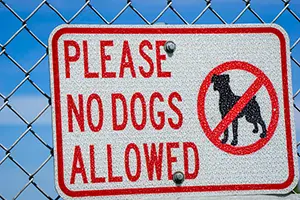
HOA pet rules, just like any other policy in your HOA, should be enforced consistently. This means the restrictions apply to every resident, unless they have acceptable grounds for exemption.
If you need to manage violations, you can let first-time offenders off with a warning. After all, not all residents know every rule in your governing documents. On the other hand, repeat violators can receive a formal written notice and an opportunity to correct the issue.
Unfortunately, some residents refuse to address complaints against them. This is where you can impose fines and other penalties. Legal complaints can be pursued, but usually only as a last resort.
Keeping Both Residents and Pets Happy
Good HOA dog rules consider the happiness of both pet owners and non-pet owners. It should ensure everyone in the community remains safe, including all residents and pets. Dogs and cats offer companionship, and proper care ensures that residents and animals can live in harmony.
HOA Explore offers a convenient way for community associations to find support from the right professional HOA management company. Use our online directory today!
Related Articles:
- HOA Fines and Due Process: Steps Boards Must Follow to Reduce Legal Risk
- HOA Breaches Own Rules? Steps To Take For The HOA Board
- Can An HOA Ban Political Signs? Setting Rules And Limits