
A chief concern among residents living in planned communities is HOA security. Yet association boards find it challenging to balance safety and homeowners’ rights, especially when it comes to privacy. Acting responsibly and within the limits of the law is essential.
Is the Board Responsible for HOA Security?
There is a rising concern about crime rates in residential areas in the United States. While burglaries have decreased over the years, there were still 229.2 cases per 100,000 of the American population in 2024. Growing concerns are not confined to theft, with vandalism and trespassing among other property crimes taking the forefront as well.
In HOA and condominium communities, residents often prioritize security and safety. That said, associations are not entirely responsible for security. Associations are generally responsible for maintaining security in common areas, but not for residents’ personal security or individual homes/units.
Boards should be careful about managing security and responding to safety concerns. They should never advertise or promote the idea that the HOA is responsible for resident or home safety, as this could expose the association to liability. Still, security can impact property values and owner satisfaction, so some measures must still be taken.
Understanding HOA Privacy Rights
Homeowners have a reasonable expectation of privacy, be it in their own homes or in common areas within the community. Board members must remember to protect resident privacy when implementing security protocols.
Associations can generally monitor common areas for security or safety risks. A typical method boards employ is installing security cameras in these spaces. That said, these cameras should never violate individuals’ privacy.
Data privacy is another concern. Some associations use access codes or other entry systems. Boards should be careful never to divulge confidential information, sell private data to third parties, or use information for commercial purposes. It’s also important to set up protocols to reduce cyber risks.
HOA Security Cameras: Benefits and Concerns
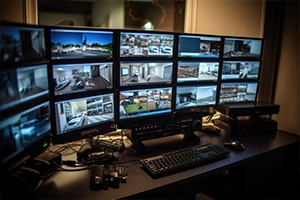
Association boards may consider installing security cameras in common areas. After all, these cameras pose several benefits, including:
- Deterrence. Cameras not only help deter crime but also discourage owners from committing violations, especially when they are in full view of the recording device.
- Evidence Collection. If a crime or violation does take place, recorded footage can serve as supporting evidence.
- Peace of Mind. For some residents, cameras in common areas make them feel more secure.
Of course, cameras also come with certain risks. Common concerns include:
- Surveillance Concerns. Even in common areas, residents may feel like they are constantly being watched. This can lead to discomfort, complaints, and even disputes with the board.
- Misuse of Footage. Without clear rules, recorded video can be accessed or shared inappropriately. For example, board members or managers might review footage for reasons unrelated to the association.
- Overreach. This happens when the association uses cameras for purposes beyond their intended use.
- Liability Issues. Labeling them as “security cameras” can cause residents to believe that the association is responsible for their protection. Instead, boards should call them “surveillance cameras.”
To support owner privacy, cameras should never be placed in areas where people have a reasonable expectation of privacy. In common areas, this includes bathrooms, changing rooms, and shower rooms. Associations should also never point cameras at windows or doors into the interiors of homes or units.
If an association does use surveillance cameras, boards should maintain transparency with residents. Let them know that there are cameras in these spaces and what they are for. Communicate the policy with them and post signs alerting passersby of the existence of these cameras.
Creating an HOA Security Camera Policy
To mitigate risks and promote the responsible use of cameras, associations should establish a standard policy governing their use. Key components of a strong policy include:
- Approved Camera Locations. This identifies where the association can place cameras, typically in common areas, and never in spaces with a reasonable expectation of privacy.
- Data Storage and Retention Rules. How will the board keep the recorded footage? How long will the board retain this footage until it’s up for deletion?
- Footage Access. This should outline who is authorized to view video footage. Generally, owners need a court order or warrant to gain access.
- Rules on Owner Cameras. Owners generally can’t install cameras in common areas, but rules differ on whether they can do so in private lots or units.
Keep in mind that this camera policy should align with state and local laws. For example, in Texas, an association can’t outright prohibit residents from installing cameras in individual properties. That said, boards can still reasonably regulate them.
What About HOA Security Guards and Services?
Many associations look beyond cameras when it comes to safety and security. Boards may look to hiring an HOA security guard or professional HOA security services. Still, this approach comes with its own set of considerations.
Security guards can patrol common areas, monitor entrances and exits, and check visitor credentials. That said, the association should clearly define the roles and responsibilities of these guards. Remember that they are not law enforcement, so they have limited authority.
Board members should ensure guards receive proper training. They should understand community rules and procedures. They must also interact with residents respectfully.
There’s also a liability concern. If a guard acts outside their authority or handles a situation poorly, the association could face legal risks.
It’s best to hire licensed guards and insured providers to mitigate these risks. Outsourcing to professional security services is a practical option because boards won’t have to do everything themselves. Companies handle hiring, training, supervision, and insurance.
HOA Access Control Systems for Gated Communities
Access control systems add another layer of security, particularly in gated subdivisions. Types of access control include gated entry systems, key fobs and key cards, and even mobile or app-based access.
This approach offers benefits, too. Communities can restrict entry to residents. They can also track visitors and monitor unauthorized access, thereby improving safety.
Yet, there are privacy concerns tied to access control as well. These concerns are mostly related to data tracking and collection, but the board can limit risks by managing access credentials carefully. Plus, associations must think about the financial investment involved.
Final Word of Advice
While HOA security remains a concern among communities, boards should never guarantee safety. Additionally, when implementing security measures, it’s important to consider resident privacy. The strategies above can help boards find the right balance between security and privacy.
HOA Explore makes it easy for associations to find HOA management companies. Use our online directory today!
RELATED ARTICLES:
- Can An HOA Ban Political Signs? Setting Rules And Limits
- Can You Sue An HOA? What Board Members Should Do To Prevent Lawsuits
- Protect Yourself: The Hidden Legal Risks Of AI In HOA Platforms